A Real Front Range Exposure
Colorado Climate Center maintains a long-term Storm Prediction Center database of severe hail reports across Colorado, and severe thunderstorms with large-hail potential affect the Front Range. Hail is a legitimate exterior-material exposure to consider alongside sun, moisture, wind, snow, and temperature change.
This guide avoids assigning one universal annual hail count to every city because storm frequency, size, and tracks vary by year and location.
What This Means for Outdoor Structures
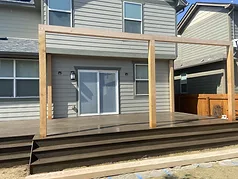
Patio-cover roofing, deck surfaces, fence components, metal finishes, screens, and other exposed materials can respond differently to impact. Product construction, thickness, profile, finish, support, age, and the actual storm all matter.
Patio-Cover Roofing
When hail resistance matters, compare the actual roofing or panel product testing, warranty language, installation requirements, and cosmetic-damage exclusions rather than assuming all products in a material category perform alike.
Decking and Fencing
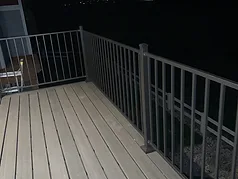
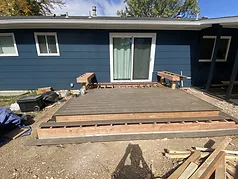
Wood and composite deck boards can both show impact-related surface damage under sufficiently severe conditions. Wind-driven hail can also mark vertical finishes. Whether damage is cosmetic, repairable, or more significant depends on the actual material and event.
Inspect after a significant storm
After a severe storm, look for displaced or punctured roof panels, loose trim or caps, damaged screens, exposed coating, cracked boards and new leaks. Do not climb onto a wet or damaged structure; document visible conditions from a safe location and use a qualified evaluation when the roof or structure may be affected.
Separate cosmetic damage from performance
A dent, surface mark or color change does not by itself establish structural damage, and an intact-looking surface does not prove the assembly is undamaged. The product documentation, location of the impact, supporting structure and any water entry all matter.
Use Product Evidence When Hail Performance Matters
The strongest comparison is product-specific: current impact testing where available, manufacturer documentation, warranty terms, and the exact assembly proposed. No material should be described as hail-proof without evidence.