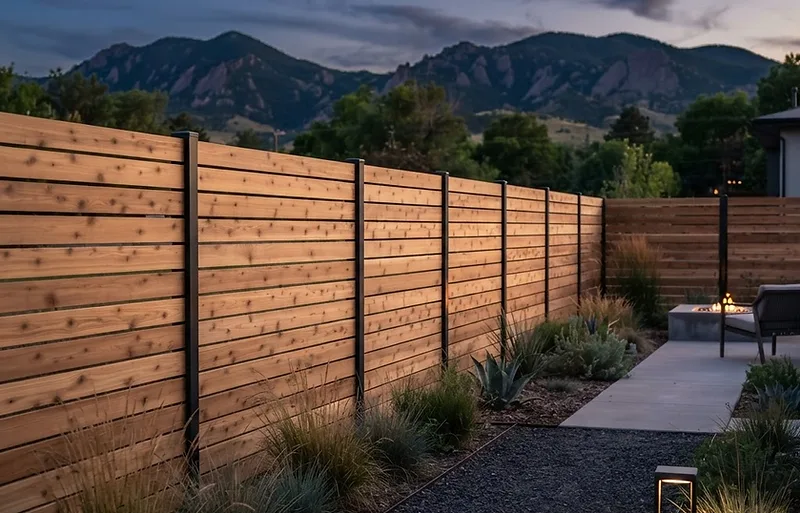
Horizontal privacy screen integrated with an outdoor seating area

Privacy Screens

Outdoor privacy screen builder in Fort Collins, Windsor, Timnath, and Northern Colorado

Fulcrest designs and builds custom privacy screens for decks and patios in Loveland, Greeley, Berthoud, Severance, and surrounding Northern Colorado communities, including cedar, composite, and metal privacy screens.

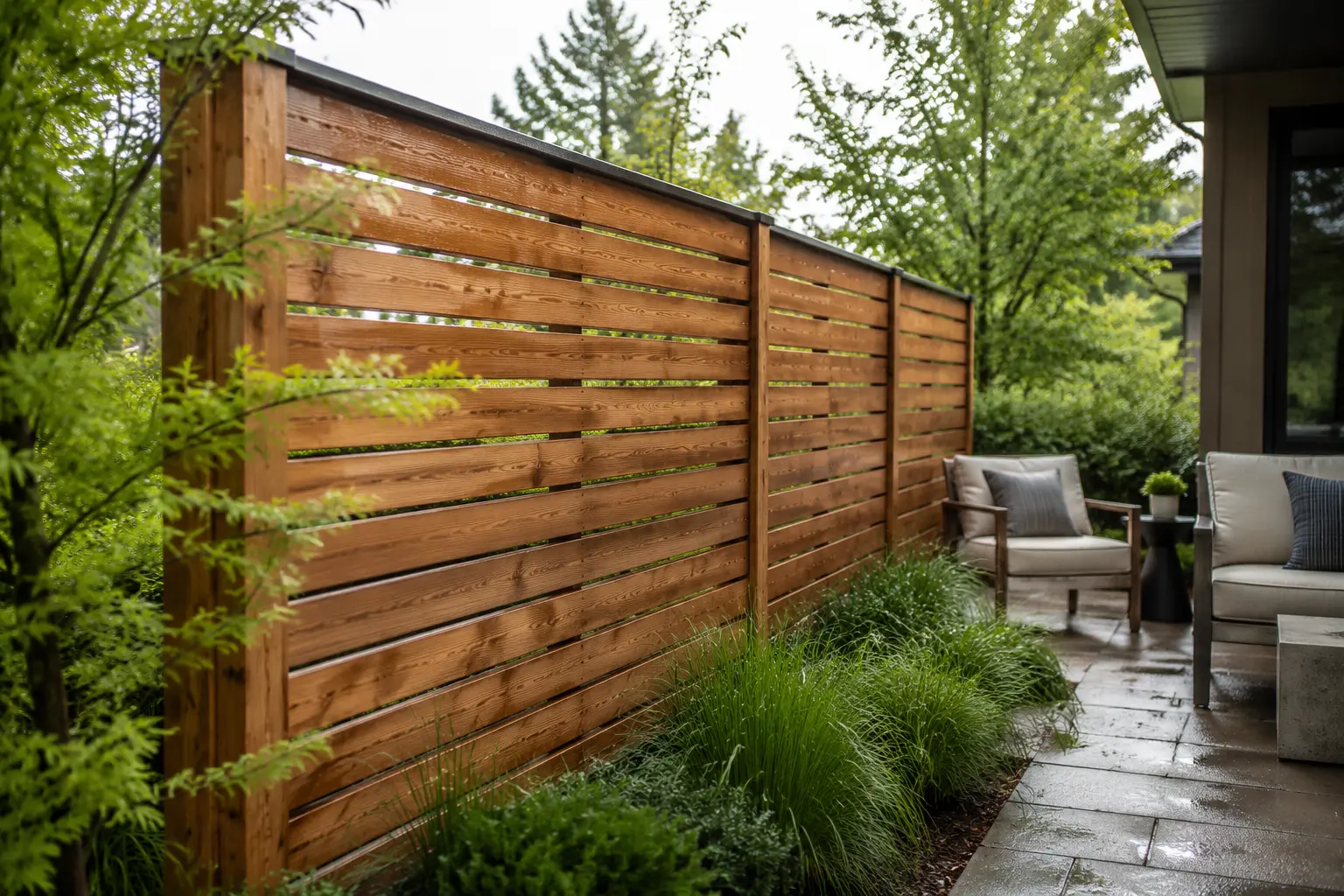
Finished horizontal cedar privacy screen beside a patio with filtered light and restrained planting

Built for Northern Colorado

How Tall Should Your Privacy Screen Actually Be?

Before deciding how tall the screen should be, stand where you'll actually use the space and look toward whatever you want to block. A screen beside a seated patio may need a completely different height than one meant to block an upstairs window. Moving the screen closer to the area you're protecting can sometimes solve the problem with a smaller structure, while putting it farther away may require more height. That's why we work from the sightline instead of automatically building the tallest screen the rules allow.

What Does Wind Do to a Solid Privacy Screen?

Closing the gaps between slats gives you more privacy, but it also gives the wind more surface to push against. That matters in Northern Colorado, especially with a tall freestanding screen. Post spacing, footing size, screen height, material, and how open the screen is all affect how it needs to be supported. If the screen attaches to a deck, the connection matters just as much: the existing framing has to be able to handle the additional load, not the deck boards themselves.

What's the Best Material for Your Privacy Screen?

Cedar gives you a natural wood look and lets you adjust privacy by changing the width and spacing of the slats, but it comes with the same weathering and finish decisions as other exterior cedar. Composite can reduce refinishing, though the framing, fastening, and expansion requirements depend on the product being used. Powder-coated metal gives a different look and can work well when thinner profiles or less recurring finish maintenance are priorities. The material matters, but we choose it after figuring out the sightline, exposure, and structure, so the screen does its actual job first.

Plan before you build

Do You Really Need a Solid Wall for Privacy?

Planning details +

Most people picture a tall, solid wall when they think 'privacy screen,' but that's usually more than the problem actually calls for. Once you know exactly where someone's eyes would land, a second-story window next door, a neighbor's patio, whatever it is, you can often solve it with something shorter, narrower, or more open than you'd expect. Height, slat spacing, wind, and what's actually on the other side all factor into that.

01

A Small Screen in the Right Spot Beats a Big One in the Wrong Spot

If a screen sits right next to where you're actually sitting, it doesn't have to be very tall to block the view. Move it farther away, and you need a lot more height to do the same job. Where you put it matters as much as how big you build it.

02

Does Closing the Gaps for Privacy Make Wind a Real Problem?

Close the gaps for more privacy, and you're also giving the wind more to push against, plus cutting the light and airflow coming through. It's a real tradeoff, not just a privacy dial you turn up.

03

Know Where Your Property Actually Ends Before You Dig

Setbacks, easements, height limits, and where the line with your neighbor really falls all need to be sorted out first. Move a post before you know that, and you might be moving it again later.

Questions homeowners ask

Privacy Screens FAQ

Privacy Screens Planning Resources

Privacy Screens Guides for Northern Colorado Homeowners

Related project pathways

Complementary services

Northern Colorado

Explore privacy screens projects across Northern Colorado

Explore our service areas for local project guidance, municipality considerations, and location-specific information for communities we serve.

Explore Service Areas →