Railing shapes the deck
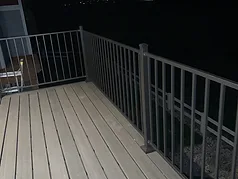
Railing is often treated as a finishing decision after layout and decking are chosen. In practice, it affects the deck's visual character, sightlines, circulation, stairs, and the way the space feels to use, so it belongs in the planning conversation earlier.
Sightlines and Openness
Railing infill influences how much of the yard or view remains visible. More open systems preserve sightlines, while more visually solid systems create greater separation. The useful choice depends on the surroundings, privacy goals, and the specific compliant railing system selected.
Material Coordination
Railing material does not have to match decking exactly. Posts, rails, infill, caps, fascia, stairs, and the house itself can be coordinated or intentionally contrasted as part of one design rather than selected independently.
Maintenance Follows the Actual System
Wood railing can carry refinishing considerations similar to other exposed wood. Metal and composite systems can reduce that type of recurring refinishing, but cleaning, coating care, fasteners, and maintenance requirements vary by product and finish. Manufacturer guidance should control product-specific care.
Stairs Add Their Own Continuity Question
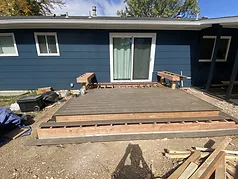
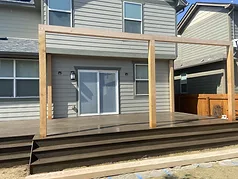
Where a deck has stairs, the stair guard and handrail conditions need to integrate with the deck railing, framing, landings, and circulation. Planning those transitions together helps avoid treating the stair as an unrelated detail after the deck edge is already resolved.
Elevation Changes the Role
On an elevated deck, a compliant guard serves an important fall-protection function in addition to shaping the appearance of the deck. The exact conditions that trigger guards and the required dimensions should be confirmed for the project and jurisdiction rather than inferred from a generic number.
Wind and Exposure
Railing infill can change how wind moves through a deck area. More solid systems can reduce airflow locally while more open systems allow more wind through, but the structural and comfort effects depend on the actual system, exposure, and site rather than a universal rule.
Don't Leave Railing as an Afterthought
Railing interacts with post placement, stair location, views, furniture zones, and how the deck reads from inside the house and from the yard. Resolving those relationships before framing is finalized can reduce avoidable detailing conflicts later.
A Note on Code
Guard height, openings, handrails, and related requirements depend on the applicable code and project condition. This guide intentionally does not substitute a generic number for project-specific verification.